Sustainability
Lower emissions,more power
Scroll to explore
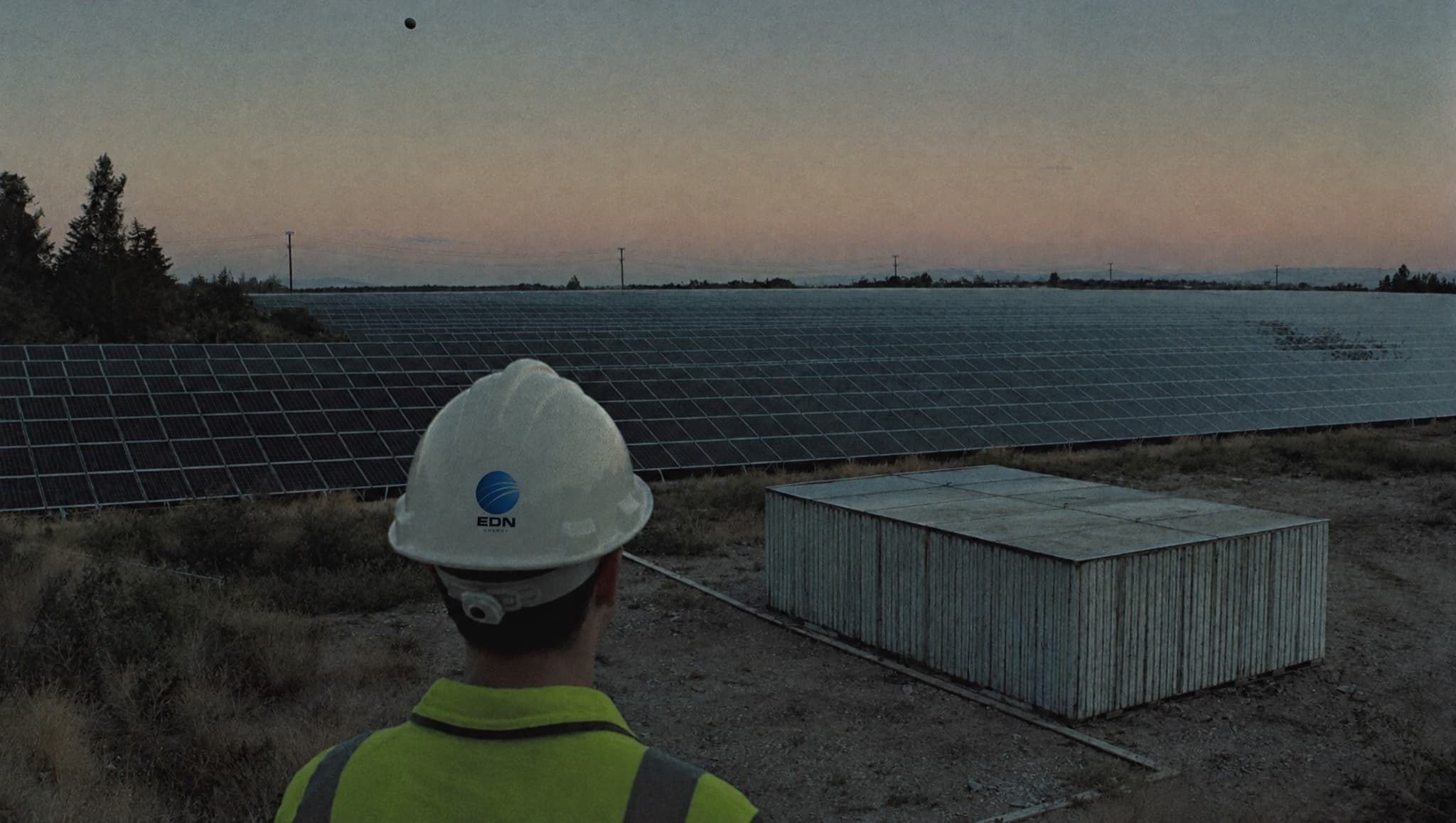
EDN builds energy decarbonisation infrastructure: clean energy, energy efficiency and lower emissions for Africa’s industries and homes.

Our platform connects solar, batteries, meters and grids into one coordinated network, so clean power is used instead of wasted, existing equipment lasts longer and diesel generators run less. The same energy data that runs the network also documents its impact.
What we focus on
- Clean energy for industries and homes
- Better monitoring and control of energy systems
- Infrastructure that supports industrial decarbonisation
- Displacing diesel generation with solar and storage
- Verified emissions reductions through energy data
Carbon MRV
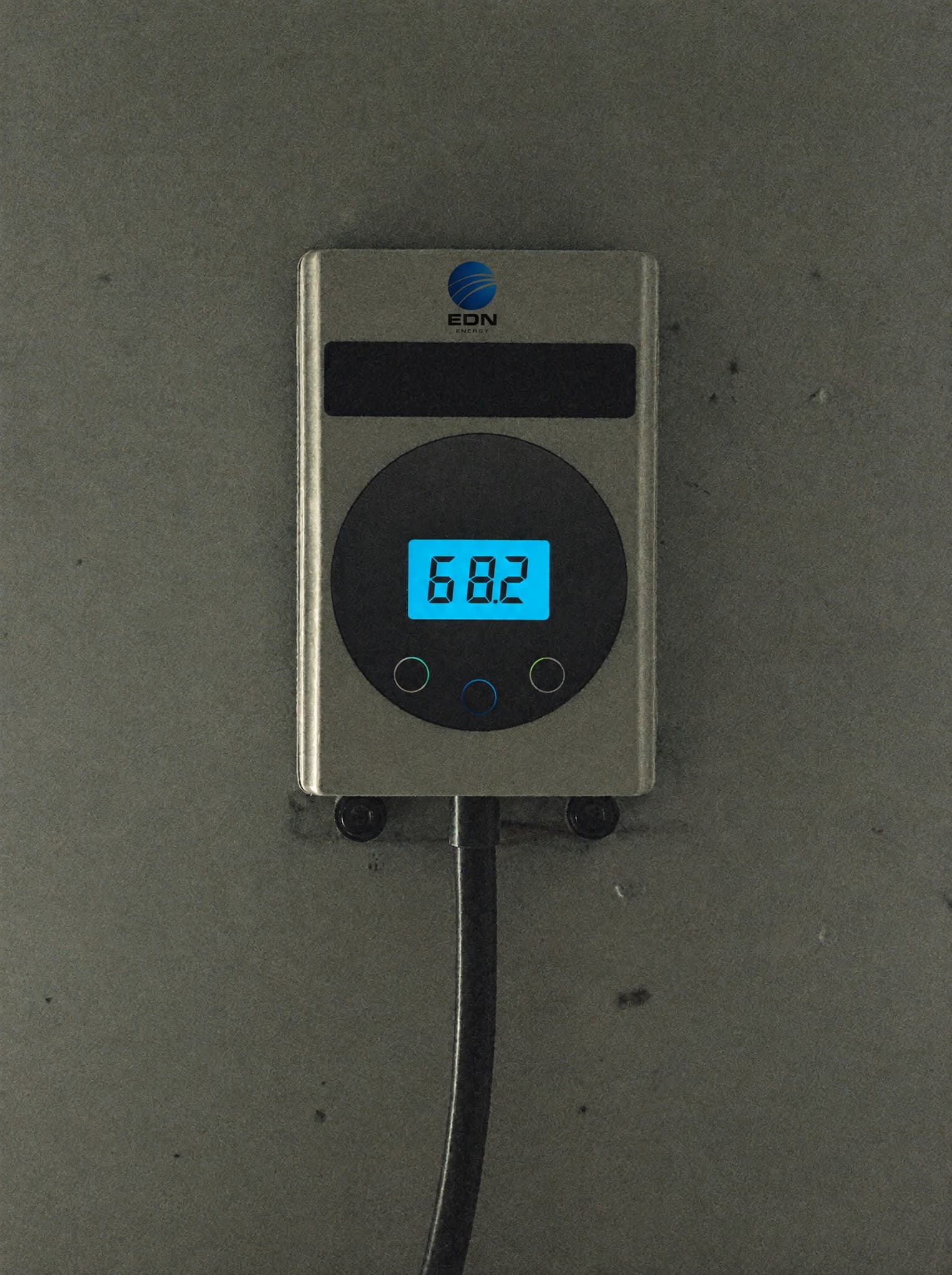
Energy data supports verified emissions reductions. Carbon tracking is built into EDN Smart Energy Nodes, so every connected asset reports what it generates, stores and saves.
Measurement, reporting and verification (MRV) turns that data into evidence that can support carbon credits from renewable adoption, diesel displacement and efficiency improvements.
How it works
Measure
Real-time energy and emissions monitoring
Verify
MRV, compliance and reporting aligned with carbon standards
Develop
Renewable infrastructure improvements and replacements
Credit opportunities
Renewable adoption, diesel displacement and efficiency improvements

Nothing wasted
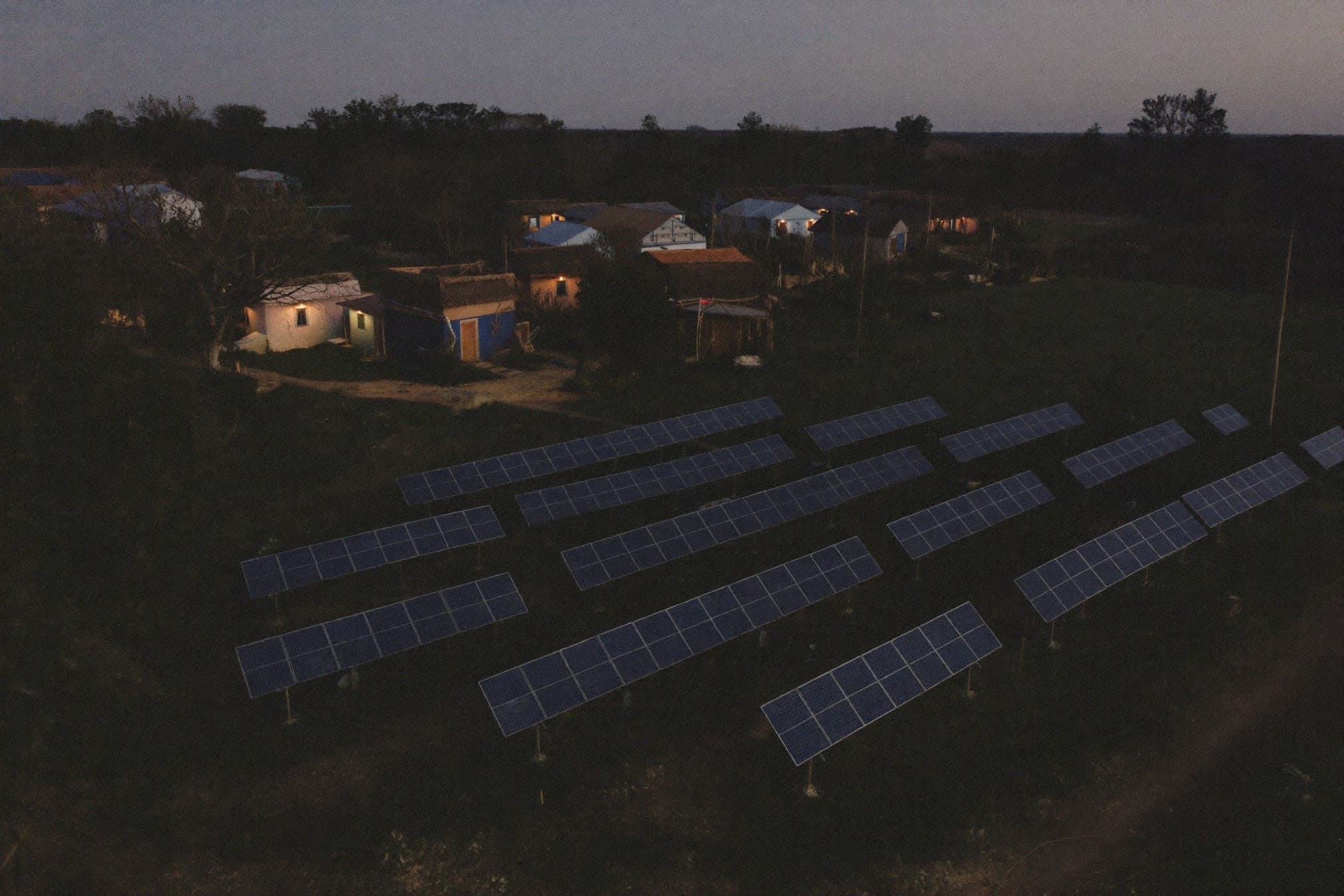
On a single feeder, 300 batteries can absorb 600 kW of solar that would otherwise be curtailed. The sun charges the homes for free.
With a virtual power plant, surplus daytime generation is stored and shared across the network instead of being switched off.
Our pillars
01 Clean energy
More accessible energy for industries and homes
02 Energy efficiency
Better monitoring and control of energy systems
03 Lower emissions
Infrastructure that supports industrial decarbonisation
Asset life extension
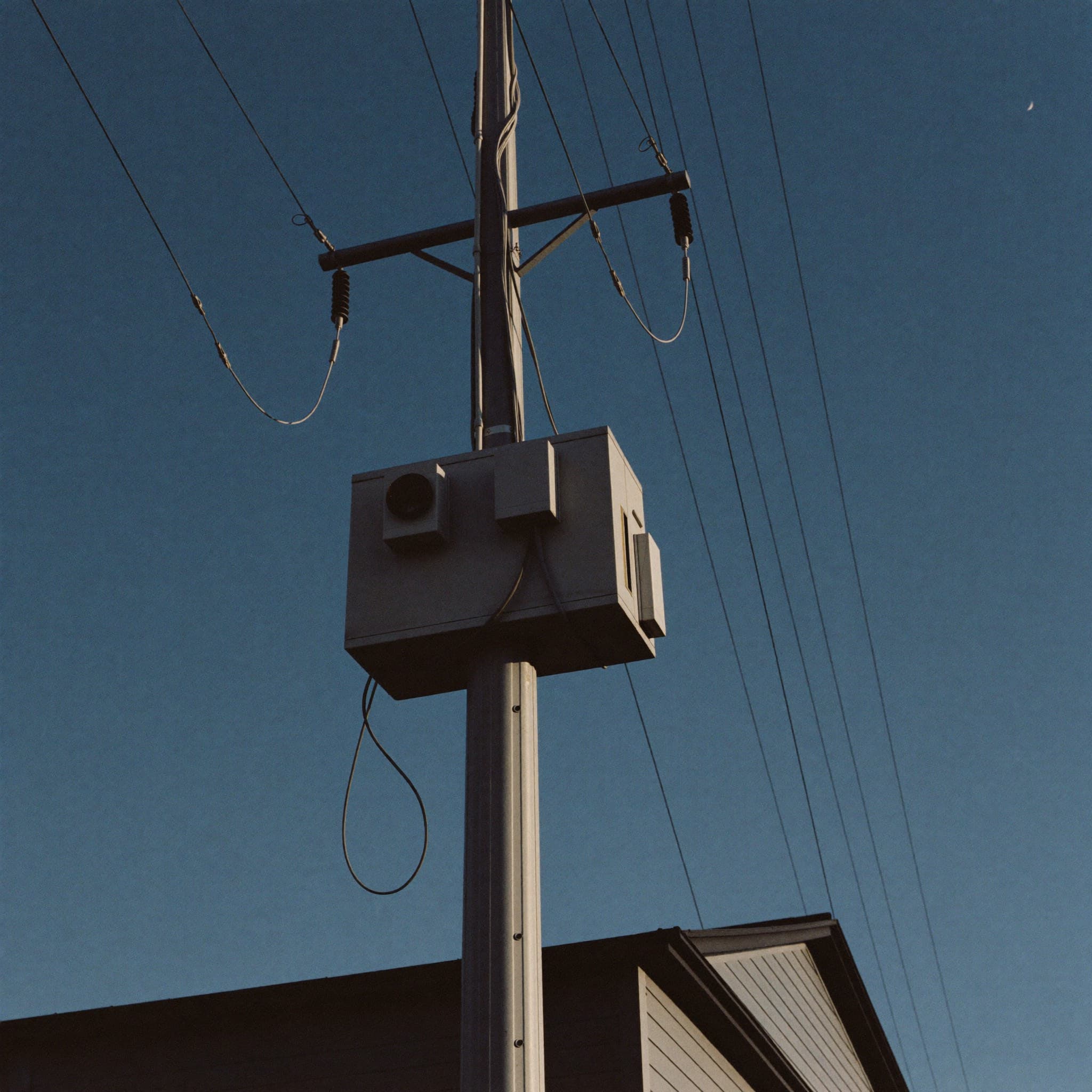
Every 7 °C above the hot-spot limit halves the remaining insulation life of a transformer. EDN keeps transformers inside their limits, extending the life of the assets that are already in the ground instead of replacing them.
Key areas
Diesel displacement
Nigeria and its regional partners spend more than $20bn a year on generators
Transformer health
Real-time monitoring keeps equipment inside its thermal limits
Reporting
Quantified emissions and ESG reporting details to follow